From Butchers to Barbers: What the Changing High Street Really Means
Vape shops and barbers now line many high streets, but before we mourn the past, it’s worth asking what keeps communities alive today.
Once upon a time, the British high street followed a familiar rhythm. The butcher knew your order before you spoke. The baker’s window fogged with warmth and the smell of fresh bread. The greengrocer stacked apples outside, rain or shine, and somehow always knew which ones you wanted for eating and which were strictly for cooking. These shops weren’t just places to buy things they were places to belong.
Walk down many UK high streets today and the view is undeniably different. Vape shops glow neon where hardware stores once stood. Barbers appear every few doors. Yoga studios, phone repair kiosks and pop-up dessert bars fill units that used to sell shoes, records or haberdashery. It’s tempting to look at this shift and say the high street is dying, or already dead. But that feels too simple, and maybe a little unfair.
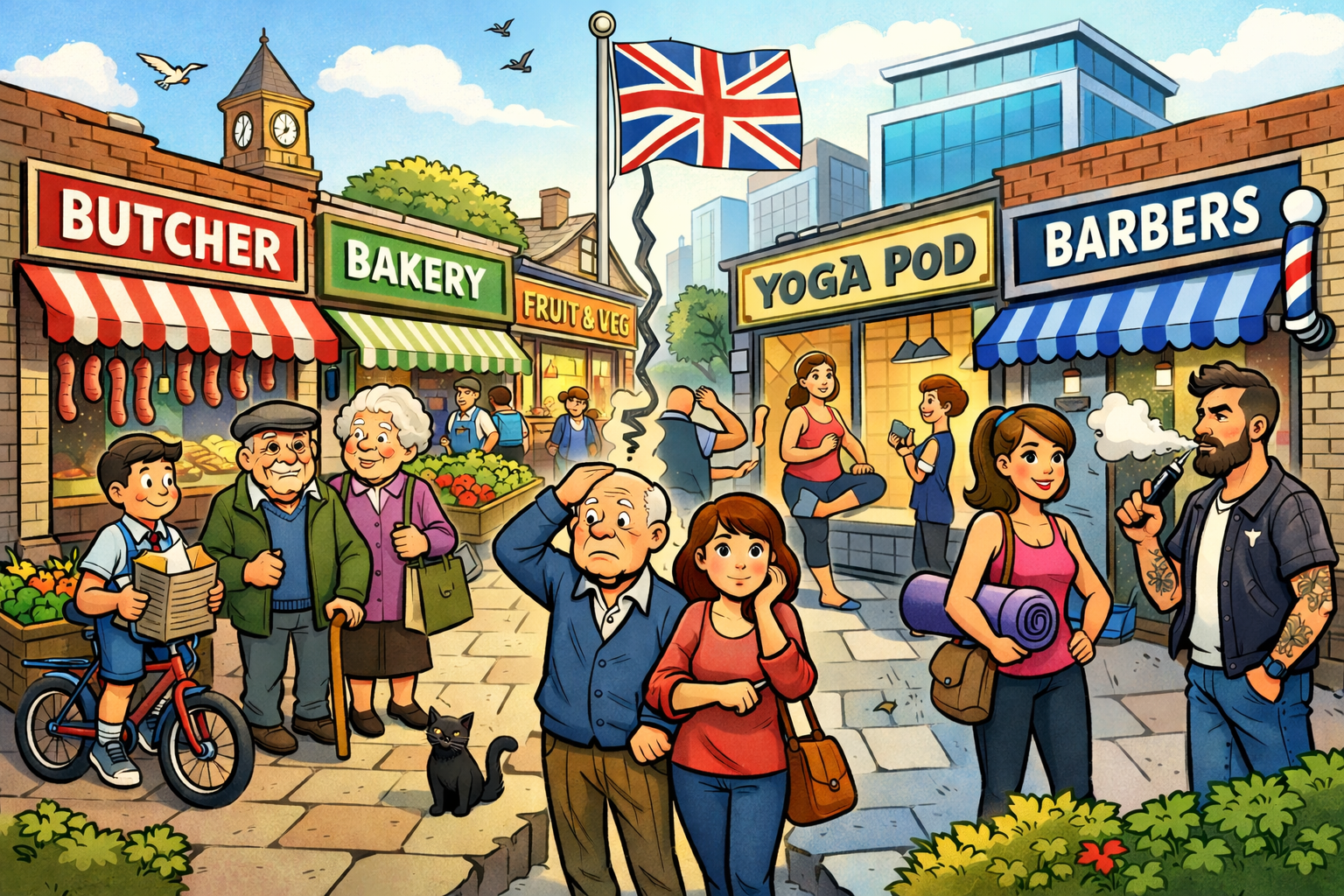
There’s no denying that something important has been lost. Traditional independent retailers have been squeezed from all sides: rising rents, online shopping, supermarket dominance and changing lifestyles. When a butcher or baker closes, it’s not just a business shutting its doors, it’s the loss of specialist knowledge, of everyday conversations, of familiarity built up over years and sometimes generations.
Those shops anchored communities. They gave people reasons to walk, linger and talk. You didn’t just pop in and out; you caught up on local news, swapped opinions, recognised faces. Without that, high streets can start to feel purely functional, places you pass through rather than somewhere you spend time.
At the same time, the businesses that have replaced them didn’t arrive by accident. Vape shops, barbers, beauty salons, yoga pods and cafés reflect how people live now. They’re service-based, experience-led and often protected from the pull of online shopping. You can’t download a haircut, and a yoga class still works best when you share the room with other people.
These newer businesses also play a practical role that’s easy to overlook. They pay business rates, employ people and keep units occupied. Without them, many high streets would be lined with empty shops, peeling posters and “To Let” signs. That version of decline is much harder to recover from than a street that’s simply changed its character.
It’s easy to romanticise the past, but the truth is the high street has always evolved. What we think of as traditional today once replaced something else. The real danger isn’t change itself, it’s emptiness. A hollowed out high street with no footfall, no services and no reason to visit quickly becomes a self-fulfilling cycle of decline.
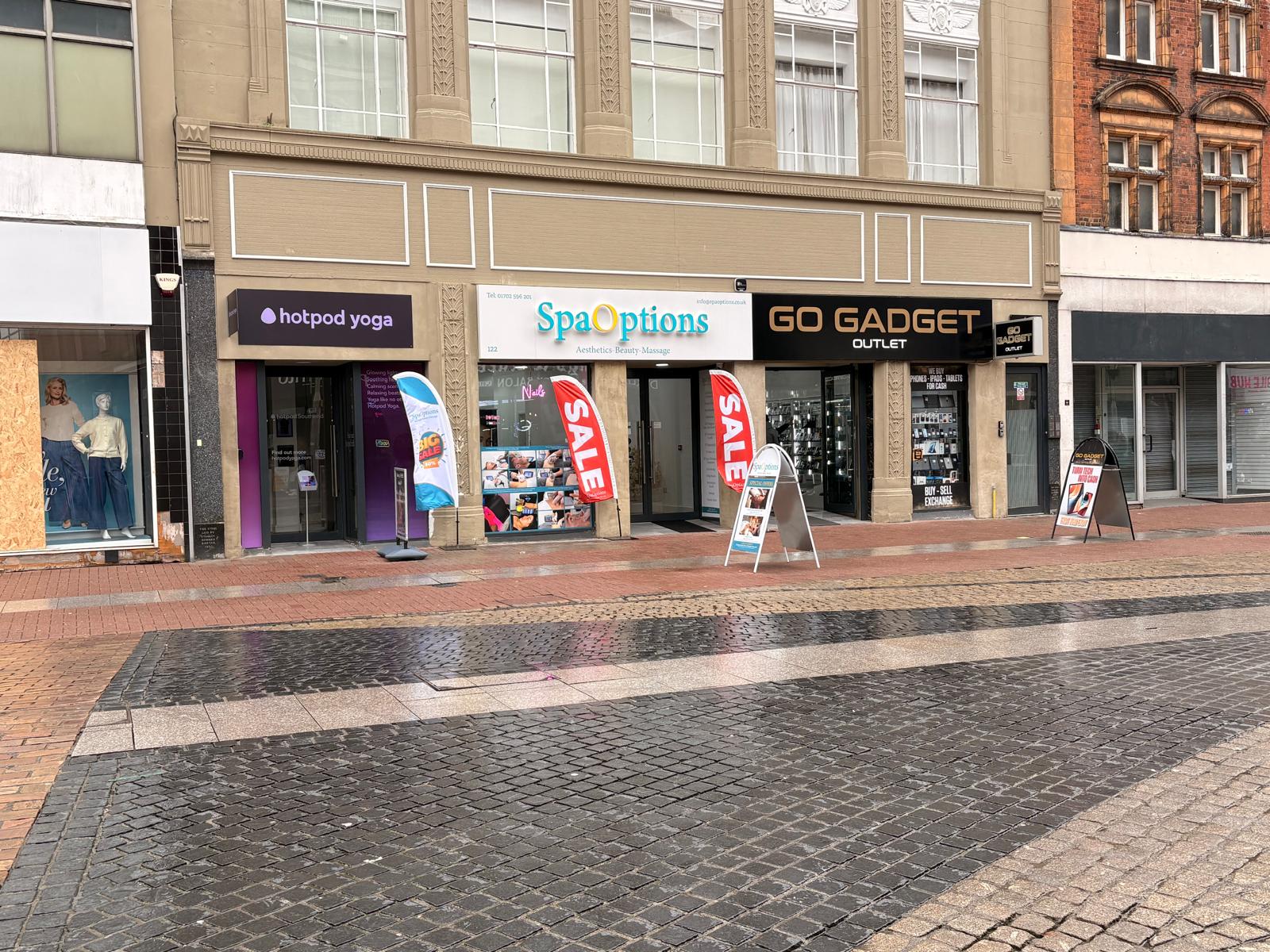
In fact, the presence of newer businesses can help the traditional ones that remain. A busy barber, café or studio brings people onto the street, and some of those people will wander into the last greengrocer, the independent bookshop or the family-run bakery that’s managed to survive. Footfall still matters, no matter what form it takes.
The deeper issue isn’t really about what we buy, but how we connect. If the high street becomes nothing more than a row of isolated transactions, something vital is lost. But if it’s treated as a shared social space – with places to sit, meet, talk and spend time, it can still fulfil its old role as the heart of a town or neighbourhood.
Maybe the future high street isn’t about choosing between butchers and barbers, bakers and yoga studios. Maybe it’s about making space for a mix, supporting the businesses that are still here, and creating streets people actually want to spend time on. Because a living high street, in all its messy, modern variety, is still far better than a silent one.